Shed Foundations: Why They Matter and Your Best Options
By Ascential Team on June 25, 2025 in Installation & Care
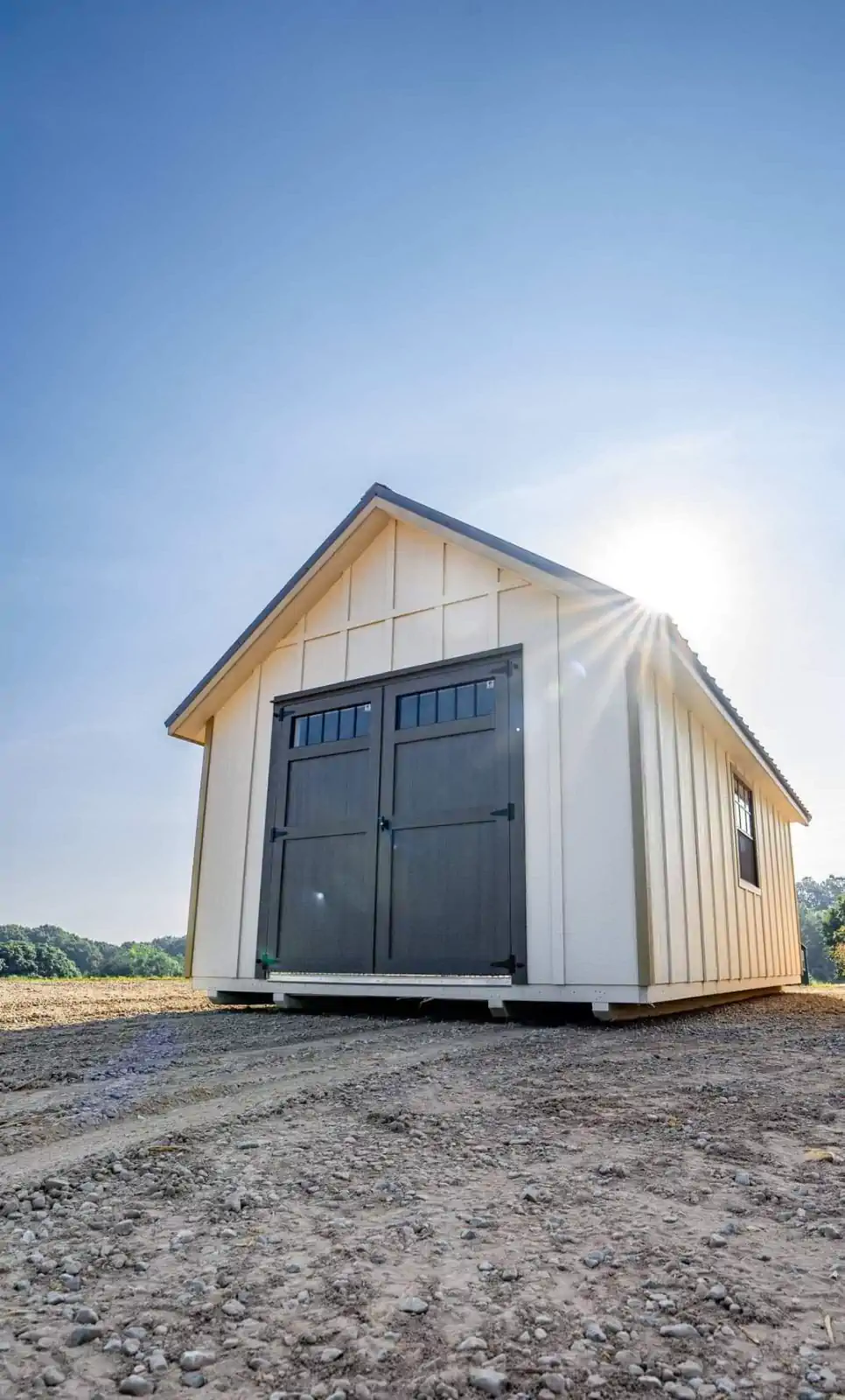
You've found the perfect portable building—the right size, style, and features. But before it gets delivered, there's one critical step that's often overlooked: the foundation. A sturdy, level foundation isn't just a recommendation; it's the backbone of your shed's longevity, stability, and performance. Without proper support, even the highest quality shed can suffer from a host of problems down the line.
Why a Proper Shed Foundation is Crucial
Investing in a good foundation protects your shed and its contents in several ways:
- Ensures Leveling: Prevents the shed from settling unevenly, which can lead to warped doors, windows that don't close, and structural stress.
- Prevents Moisture Damage: Lifts the shed off the ground, preventing rot, mold, and mildew caused by direct contact with soil and standing water.
- Anchoring & Stability: Provides a solid base for anchoring, protecting your shed from strong winds and storms.
- Deters Pests: Reduces access points for rodents, insects, and other unwanted critters.
- Supports Weight: Distributes the weight of the shed and its contents evenly, preventing floor damage and ensuring structural integrity.
Common Shed Foundation Options
The best foundation for your shed depends on your budget, local climate, ground conditions, and the size/weight of your building.
1. Gravel Pad Foundation
One of the most popular and cost-effective options, a gravel pad provides excellent drainage and a stable base.
- Pros: Good drainage, relatively easy to install, affordable, slightly permeable for minor settling.
- Cons: Requires excavation, need a frame (wood or landscape timbers) to contain the gravel, less permanent than concrete.
This is often the go-to for standard backyard sheds.
2. Concrete Slab Foundation
The most durable and permanent option, a concrete slab offers unparalleled stability and a clean, level surface.
- Pros: Extremely strong, highly stable, excellent moisture barrier, great for heavy loads (like garage sheds).
- Cons: Most expensive, requires professional installation, very permanent, limited drainage.
Recommended for larger sheds, workshops, or structures designed for heavy equipment.
3. Concrete Pier or Block Foundation
This method involves placing concrete blocks or pre-cast piers at strategic points to support the shed's skids.
- Pros: Good air circulation underneath (reducing moisture), more affordable than a slab, suitable for uneven terrain (with shimming).
- Cons: Less uniform support than a slab, can be difficult to get perfectly level, may require frequent re-leveling if ground shifts.
Site Preparation is Key
Regardless of the foundation type you choose, proper site preparation is paramount. This includes:
- Clearing the Area: Remove all debris, vegetation, and rocks.
- Ensuring Proper Drainage: Slope the ground away from the foundation to direct water away.
- Leveling the Ground: The foundation must be perfectly level to ensure the shed sits correctly.
A well-prepared foundation is a critical investment that will protect your portable building for decades. Don't cut corners on this essential step! At Ascential Buildings, we can guide you through the best foundation options for your chosen structure and help you understand the site preparation needed for a successful installation.
Ensure Your Shed Lasts
Consult Our Experts TodayOr call us directly for immediate assistance: 681-207-9495