- 681-207-9495
- sales@ascentialbuildings.com
- Open Online 9-5
| $5,000–$9,999 | 5% off |
| $10,000+ | 25% off |
| Wood Sheds | ~4 weeks |
| Metal Buildings | ~12 weeks |
| Greenhouses | ~5 weeks |
A Safer, Drier Barn for Your Horses.
Steel horse barns, run-in shelters, and center-aisle stall buildings designed for horse safety — better ventilation than a stuffy wood barn, pest- and rot-resistant, and far less of a fire risk.
Why Horse Owners Choose Steel
Wood barns rot, harbor rodents, and burn fast. A purpose-built steel horse barn lasts longer, breathes better, and is dramatically safer in an emergency.
Pest & Rot Resistant
Steel doesn’t rot, doesn’t feed termites, and gives mice and rats no soft spots to nest in. Lower long-term maintenance than wood every time.
Fire-Resistant Construction
Hay and bedding are the real fire risk. A steel-framed barn doesn’t add structural fuel and gives horses and crew critical extra time to evacuate.
Better Ventilation
Tall eaves, ridge vents, and Dutch door cutouts move stale air out and fresh air in — the single biggest factor in respiratory health for stabled horses.
Planning to insulate? Get an instant estimate.
Drop in your building size and ZIP code — we’ll show you a spray foam price band on the spot. No phone tag.
Common Layouts for Horse Property
From a simple run-in to a full center-aisle barn with tack room. Start with one and customize from there.

Run-In Shelter
Typical size: 12′W × 24′L × 10′H. Three-sided shelter that lets horses come and go — the simplest weather protection for pastured animals.
Quote a Run-In
2-Stall Barn
Typical size: 24′W × 30′L × 10′H. Two 12×12 stalls plus a feed/tack alcove. Ridge-vented for airflow.
Quote a 2-Stall Barn
Center-Aisle Barn
Typical size: 36′W × 48′L × 12′H. Four to six stalls flanking a 12′ aisle, with end space for tack, feed, and a wash bay.
Quote a Center-Aisle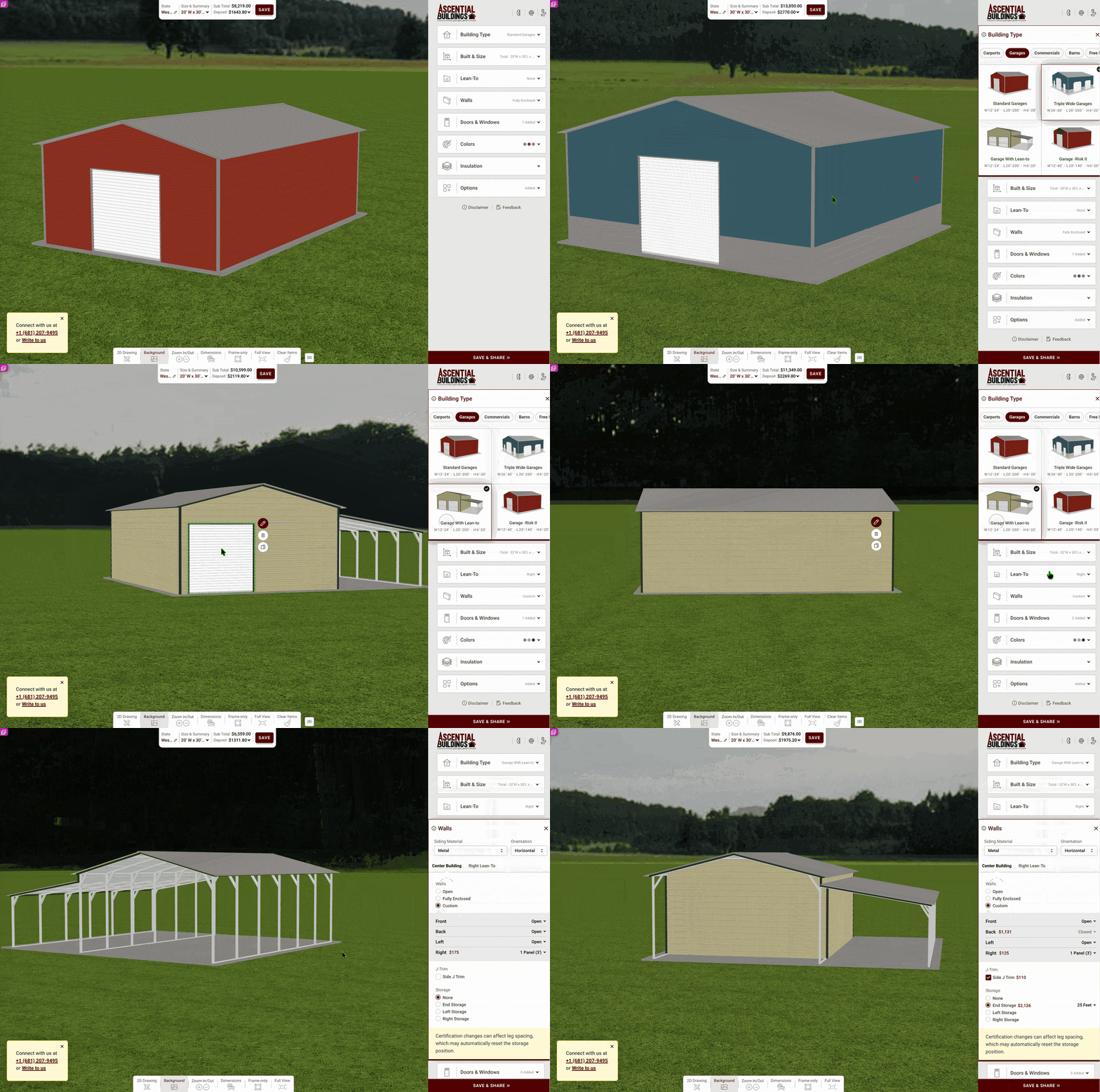
See It Before You Build It.
Drop in your dimensions, pick your colors, add doors and windows, and walk around the building in 3D — right in your browser. No salesperson, no commitment. When you like what you see, save the design and we’ll quote it.
From Quote to First Stall in Weeks
A barn-raising used to take a month and a crew of friends. We do it in 1–3 days.
Tell Us About Your Horses
Number of horses, breed/size, stall preferences (12×12 vs 12×14), and whether you need tack, feed, and wash space.
Pick the Spot & Prep
Most horse barns sit on a gravel or stone-dust pad. Concrete works for the aisle and wash bay. We’ll spec the pad and anchoring.
We Build, You Bring the Horses
Our crew erects and anchors the structure. You add interior stall fronts, mats, and dividers — or we’ll recommend a partner who does that work.
“The old wood barn was 80 years old and the mice were winning. New steel barn went up in two days and the difference in ventilation is night and day — my mare’s allergies cleared up within a month.”
— Verified horse owner customer
Horse Owner Questions, Answered
The most common questions we get from equestrian buyers.
Ready to Give Your Horses a Better Barn?
Free quotes. Designed around your herd, not a generic catalog.
Most quotes returned the same business day.